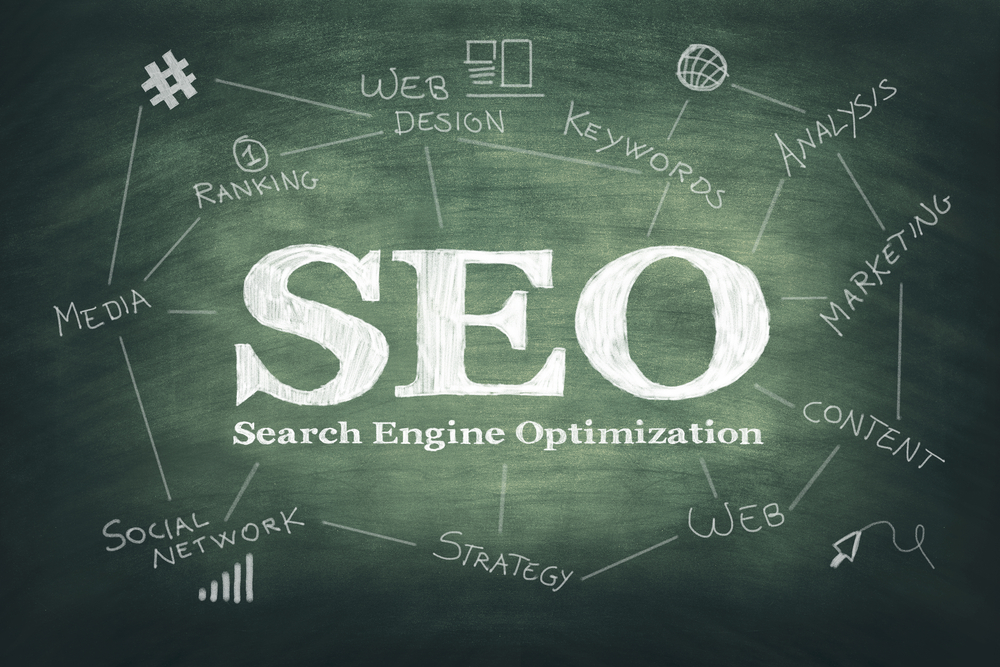
In the competitive world of online marketing, having a strong presence and visibility is crucial for the success of your business. Search engine optimization (SEO) and link building are two powerful strategies that can significantly boost your online visibility and drive more traffic to your website. In this ultimate guide, we will provide you with expert tips and tricks to enhance your SEM/SEO efforts and leverage link building strategies for maximum results.
The Importance of SEO
SEO is the process of optimizing your website to improve its visibility and ranking on search engine results pages (SERPs). When your website ranks higher on SERPs, it increases the chances of attracting more organic traffic. Organic traffic refers to visitors who find your website through a search engine, without any paid advertisements.
Effective SEO involves various techniques, including keyword research, on-page optimization, off-page optimization, and technical optimizations. By implementing these strategies, you can make your website more search engine friendly and improve its chances of ranking higher on SERPs. Now, let's dive into some expert tips and tricks for boosting your SEO/SEM efforts.
Keyword Research
Keyword research is the foundation of any SEO (or SEM) strategy. It involves identifying the keywords and phrases that your target audience is using to search for products or services similar to yours. By optimizing your content and website for these keywords, you can increase your chances of ranking higher on search engine results.
Here are some key tips for effective keyword research:
Use keyword research tools: Tools like Google Keyword Planner, SEMrush, and Moz Keyword Explorer can help you discover relevant keywords and provide valuable insights such as search volume and competition.
Focus on long-tail keywords: Long-tail keywords are more specific and usually have lower competition. They can help you target a niche audience and drive more relevant traffic to your website.
Analyze competitor keywords: Analyzing the keywords your competitors are ranking for can give you insights and ideas for your own keyword strategy.
On-Page Optimization
On-page optimization refers to optimizing the elements on your web pages to make them more search engine friendly. It involves optimizing your website's content, meta tags, URLs, and internal linking structure.
Here are some best practices for on-page optimization:
Create high-quality and unique content: Developing informative and engaging content that adds value to your target audience is crucial for SEO.
Optimize meta tags: Title tags and meta descriptions should include relevant keywords and accurately describe the content of the page.
Use SEO-friendly URLs: URLs should be concise, descriptive, and include relevant keywords.
Optimize heading tags: Use heading tags (H1, H2, H3) to structure your content and make it more readable for both users and search engines.
Improve page load speed: Page load speed is an important ranking factor. Optimize your images, minimize CSS and JavaScript files, and use caching techniques to improve page load speed.
Off-Page Optimization: Link Building
Link building is a crucial aspect of off-page optimization. It involves acquiring backlinks from other websites to your own. Backlinks act as a vote of confidence, indicating to search engines that your website is valuable and trustworthy.
Here are some effective link building strategies:
Guest blogging: Write high-quality guest posts for reputable websites in your industry and include a link back to your website in the author bio or content.
Build relationships with influencers: Engage with influencers in your industry and collaborate on content. When they mention or link to your website, it can drive valuable traffic and improve your SEO.
Create shareable content: Develop valuable and shareable content such as infographics, videos, and guides. When others share your content, it can lead to natural backlinks.
Submit to relevant directories: Submit your website to relevant industry directories and listings to gain valuable backlinks.
Monitor and remove toxic backlinks: Regularly monitor your backlink profile and disavow any toxic or spammy links that could negatively impact your SEO.
Technical Optimizations
Technical optimizations focus on the backend aspects of your website that impact its performance and search engine visibility. These optimizations ensure that search engines can crawl, index, and understand your website efficiently.
Here are some important technical optimizations:
Optimize website structure and navigation: Ensure your website has a clear and organized structure that allows visitors and search engines to navigate easily.
Implement schema markup: Schema markup helps search engines understand the content on your website better and can enhance your search engine listings with rich snippets.
Make your website mobile-friendly: With the majority of internet users accessing websites through mobile devices, optimizing your website for mobile is essential. Responsive design and fast mobile page speed are crucial for a positive user experience.
Improve website security: Implement SSL certificates and ensure your website is secure from potential threats. Search engines prioritize secure websites in their rankings.
Optimize for local SEO: If you have a physical location, optimize your website for local SEO by including your address, phone number, and business hours on your website.
Frequently Asked Questions
1. How long does it take to see results from SEO?
The time it takes to see results from SEO can vary depending on various factors such as the competitiveness of your industry, the strength of your SEO (search engine optimization) strategy, and the current state of your website. Generally, it can take a few months to start seeing noticeable improvements in your search engine rankings and organic traffic.
2. Are paid advertisements necessary for SEO?
No, paid advertisements are not necessary for SEO. While paid advertisements can provide immediate visibility, organic traffic driven by SEO efforts can have long-term benefits without ongoing advertising costs.
3. Can I do SEO on my own, or do I need to hire an expert?
It is possible to do SEO on your own if you have the time to invest in learning and implementing the strategies effectively. However, hiring an experienced SEO expert or agency can save you time and ensure that your SEO efforts are optimized for maximum results.
4. Is link building still important for SEO?
Yes, link building is still an important factor in SEO. While search engines have evolved, backlinks remain a strong signal of website authority. However, it is crucial to focus on quality link building rather than quantity, as low-quality or spammy backlinks can have a negative impact on your SEO.
5. How often should I update my website's content?
Regularly updating your website's content is beneficial for both users and search engines. It shows that your website is active and can improve your search engine rankings. Aim to update your content at least once a month, but it depends on your industry and the type of content you offer.
By following these expert tips and tricks, you can enhance your SEO efforts and boost your online visibility. Remember, SEO is an ongoing process, and staying updated with the latest trends and best practices is essential for long-term success. Start implementing these strategies today and watch your website climb the search engine rankings!
Other useful resources
- https://www.seoguru24.com/topics/seo-and-link-building-tips/
- https://www.seoguru24.com/services/seo/